From April to June the Terai can stay above 40°C for days, and even Kathmandu gets uncomfortable in the pre-monsoon heat. You have three main options: a fan, an air cooler or an air conditioner. They differ hugely in price and electricity use, and each works best in different conditions.
How an air cooler works, and when it does not
An air cooler blows air through wet cooling pads. As the water evaporates it absorbs heat, so the air coming out is cooler. This works very well in dry heat, which is exactly what much of the Terai gets in April, May and early June. Once the monsoon arrives and the air is already humid, evaporation slows and a cooler mostly adds moisture. In humid weather a cooler gives less relief, and a fan or AC is the better tool.
A cooler also needs fresh air. Keep a window or door partly open so the humid air can escape; in a sealed room a cooler makes the room clammy.
Choosing a cooler size
Cooler sizes are quoted by water tank capacity. A bigger tank runs longer between refills, and bigger coolers generally have larger fans and pads.
- 35 L: a single bedroom or small room.
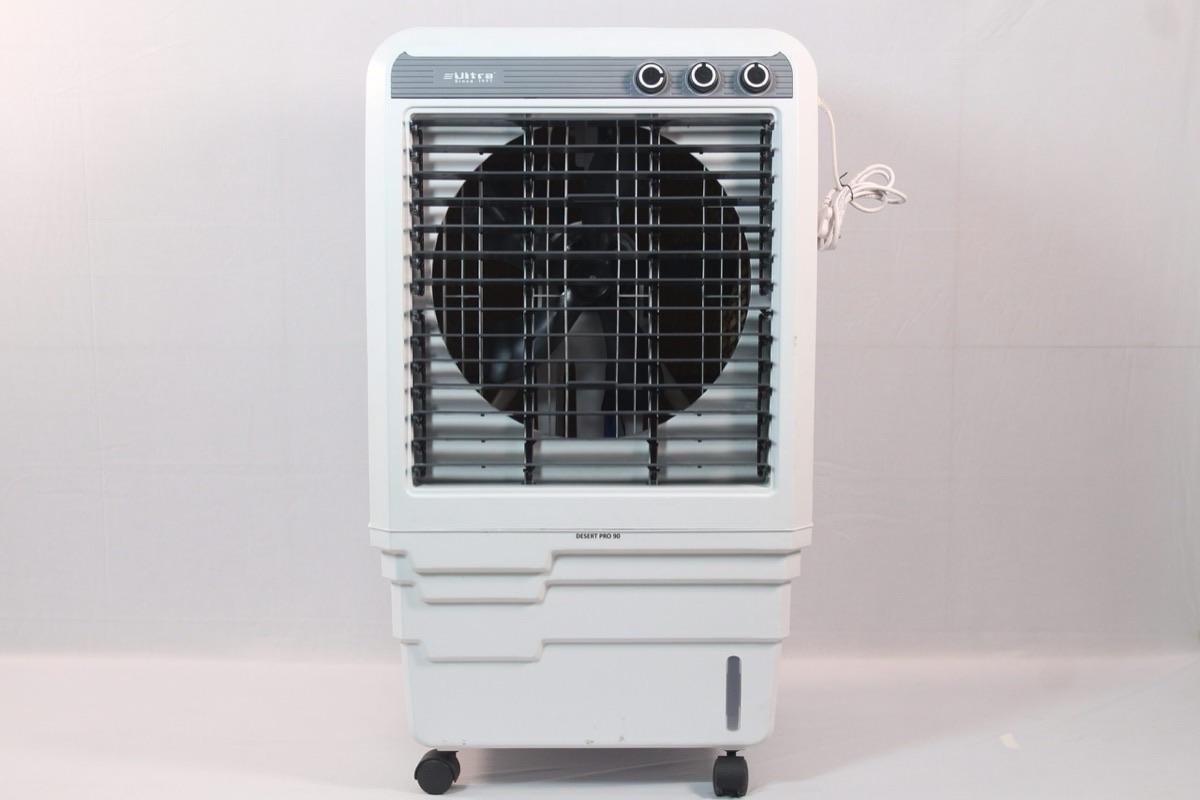
- 50 to 70 L: a larger bedroom or living room. Our ULTRA 50 L cooler has a 16-inch fan and a 200W rating.
- 90 to 130 L: halls, shops, offices and restaurants. Our ULTRA 90 L cooler delivers 4000 m³/hr with an air throw of up to 50 ft.
Honeycomb pads cool more effectively than basic straw pads, and an ice chamber gives a short extra boost on very hot afternoons. Castor wheels let you move a cooler between rooms. Several of our coolers are rated as inverter compatible, so they keep running from a home inverter during a power cut.
Fans: the cheapest comfort
A fan does not lower the temperature, but moving air over your skin makes you feel noticeably cooler, and it uses very little electricity, around 50 to 80W for our ULTRATEC fans.
- Ceiling fans: a 48-inch sweep, like the UTFNC4B, suits most bedrooms and living rooms. A 36-inch sweep, like the UTFNC3B, suits small rooms, kitchens and shops with low space.
- Stand fans: movable, with adjustable height and oscillation. Remote control and a timer, as on the UTFNSAB, UTFNSAR and UTFNSCR, are handy at night.
- Wall fans: save floor space in kitchens, shops and small offices.
Air conditioner: the only option for humid heat
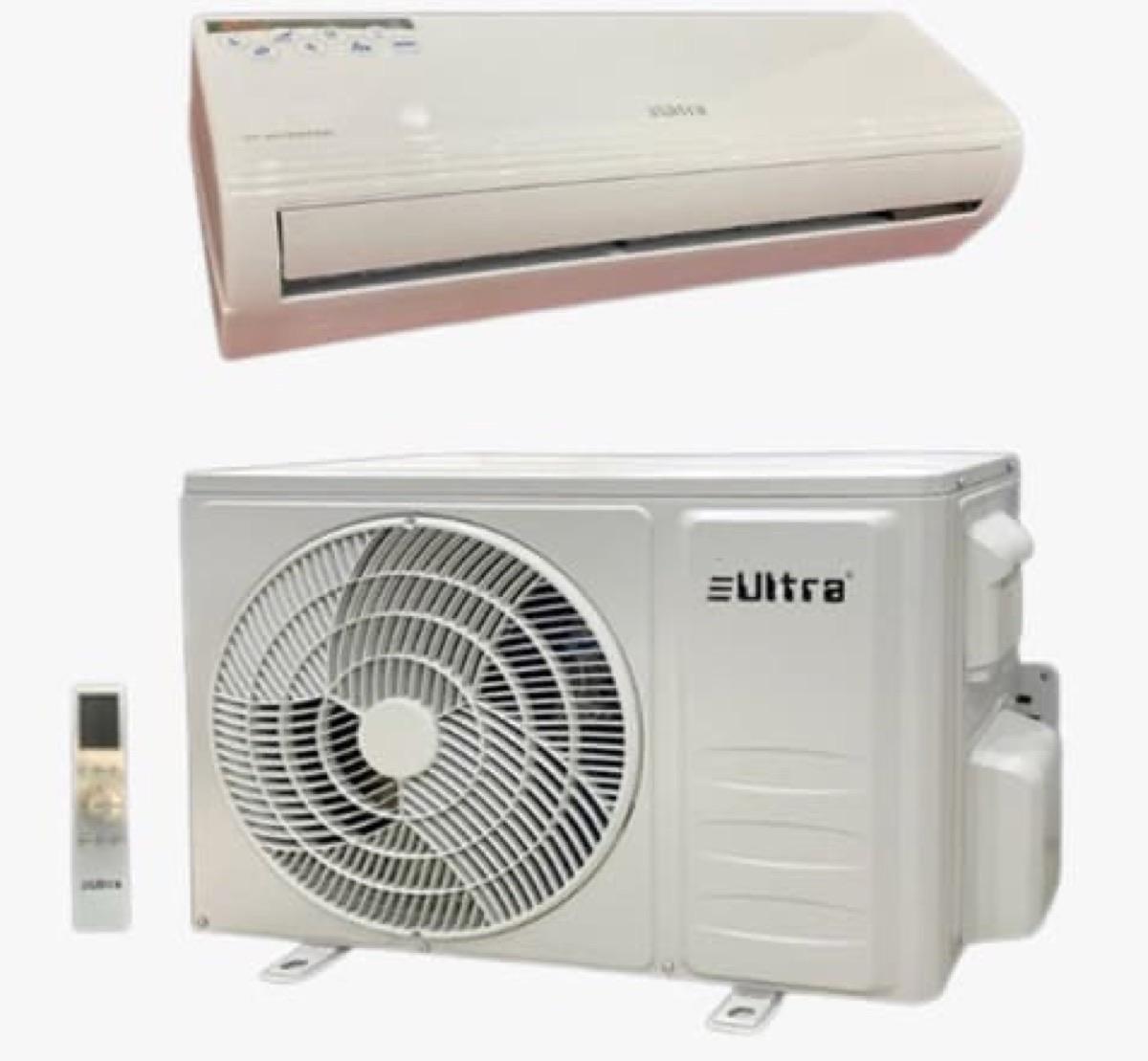
An AC actually removes heat and moisture from the room, so it works in any weather, including the humid monsoon months when coolers struggle. The trade-off is cost: a 1 ton AC draws around 1.2 to 1.3 kW at full cooling, several times a cooler's 200W. An inverter AC reduces that over long running hours, and most split ACs also heat in winter. See our AC tonnage guide for sizing.
Which one for you?
- Dry heat, tight budget: an air cooler sized to the room, plus a ceiling fan.
- Mild heat or a top-up for an AC: a ceiling or stand fan.
- Humid monsoon heat, bedrooms, offices, clinics: an AC, ideally an inverter model.
- Large open spaces like halls or shops with doors open: a large cooler or several fans, since an AC struggles with constant outside air.
Compare coolers and fans on the air cooler and fan price page and split ACs on the AC price page, or contact us for shop and office orders.