Hot water is one of the biggest electricity users in a Nepali home, especially from November to February. There are three common ways to get it: an electric geyser, a solar water heater, or an air-source heat pump. Each costs a different amount to buy and to run. This guide puts simple numbers on all three so you can see where the money goes.
The physics in one line
Heating 1 litre of water by 1°C takes about 4.19 kJ of energy. So heating 100 litres from 15°C to 45°C, about what a family of four uses for bathing in a day, needs roughly 3.5 kWh of heat. What changes between the three systems is how much electricity it takes to deliver those 3.5 kWh.
Electric geyser: cheap to buy, full price to run
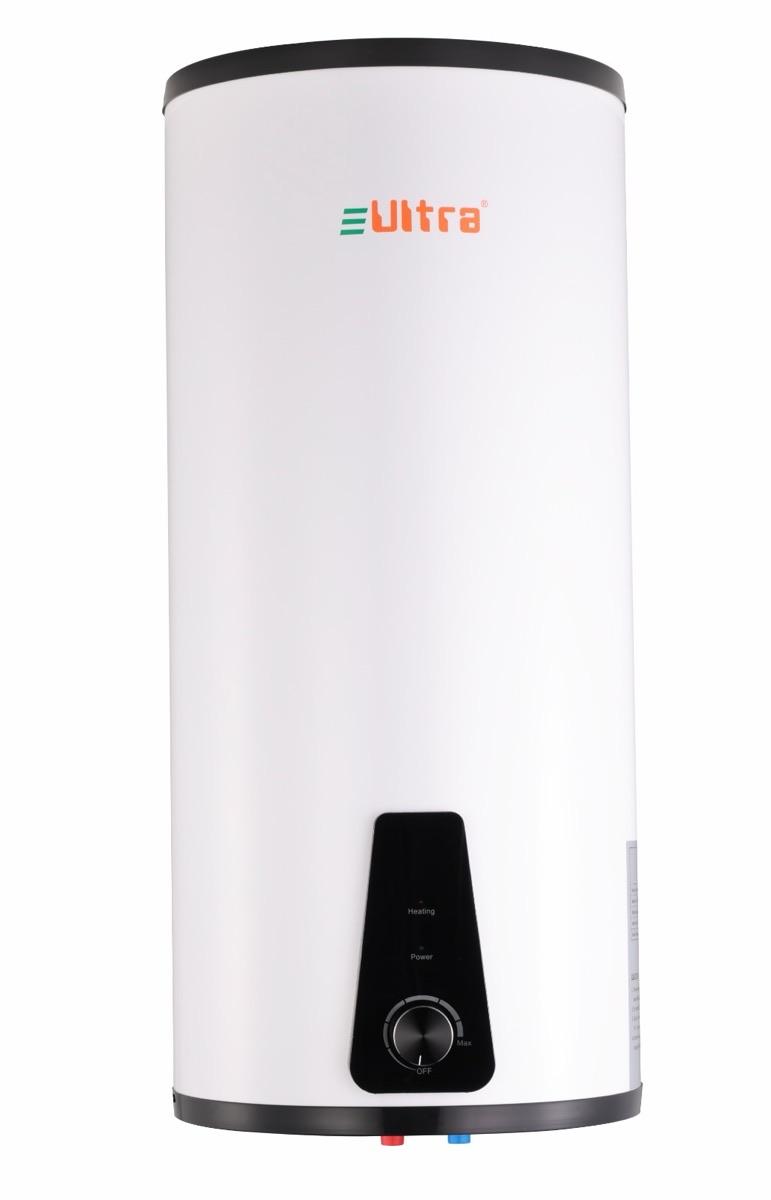
An electric geyser turns electricity into heat almost one-for-one. Our ULTRA geysers all use a 2000W element, so 3.5 kWh of hot water costs about 3.5 units of electricity, plus a little standing loss from the tank. As an illustration, at Rs. 12 per unit (substitute the rate on your own NEA bill), that is about Rs. 42 a day, or roughly Rs. 1,250 a month in winter.
Geysers make sense where hot water demand is small, such as a single bathroom, a kitchen tap or a flat with one or two people, or as a backup to solar.
Which geyser size?
With a 2000W element, a geyser heats roughly 1 litre by 30°C every minute. In practice that means, from cold water at about 15°C to 45°C:
- 10 L: about 10 minutes. A kitchen tap or a hand basin.
- 15 L: about 15 minutes. One person's quick shower.
- 25 L: about 25 minutes. A shower for one or two people.
- 40 L: about 40 minutes. A family bathroom, or bucket bathing for several people.
Look for leakage protection, earthing and a safety valve; all our ULTRA geysers have these, and the UEG15D adds overheat and overpressure protection.
Solar water heater: highest upfront, lowest running cost
A solar water heater uses evacuated tubes or a flat plate collector on the roof to heat a storage tank using sunlight, so on a sunny day the hot water is free. Nepal gets strong sun for most of the year, and a 20 to 25 tube system covers a typical family. On cloudy days or in fog, a backup heating rod tops the tank up electrically, so running cost is not zero, but across a year it is a small fraction of a geyser's.
Solar suits homes with an unshaded roof and enough space for the collector, and households that use most of their hot water in the morning and evening.
Heat pump: electric, but around a quarter of the units
A heat pump water heater works like an air conditioner in reverse: it moves heat from the outdoor air into the water. Our ULTRA 5KW domestic heat pump delivers 5000W of heat from a 1210W input, about four units of heat per unit of electricity. The same 3.5 kWh of hot water therefore needs under 1 unit of electricity, about Rs. 10 a day at the same illustrative rate.
Heat pumps cost more to buy than a geyser but work day and night regardless of weather, which makes them a strong fit for hotels, hostels, hospitals and homes without good roof space.
Side by side, for 100 L of hot water a day
- Electric geyser: about 3.5 units a day. Lowest purchase price, highest running cost.
- Heat pump: about 0.9 units a day. Higher purchase price, low running cost in any weather.
- Solar water heater: close to zero on sunny days, backup rod on cloudy ones. Lowest running cost over a year if the roof suits it.
Our recommendation
For a single bathroom or a kitchen tap, a 10 to 25 L geyser is the practical choice. For a family home with a sunny roof, solar with a backup rod pays back fastest. For hotels or homes that need large volumes of hot water every hour, or that lack roof space, a heat pump keeps costs predictable.
Compare ULTRA geysers on the electric geyser price page, solar systems on the solar water heater price page, and heat pumps on the heat pump price page. Tell us how many people and bathrooms you need to cover and we will size the right system.